Kantajew Temple: The Majestic Gem of Bengal’s Architectural Heritage
Nestled in the heart of the Dinajpur district in Bangladesh, Kantajew Temple, also known as Kantaji Temple, stands as a brilliant testament to Bengal’s rich history and architectural grandeur. This awe-inspiring masterpiece, dedicated to Lord Krishna, has captured the imagination of art lovers, historians, and tourists alike, making it one of the most significant Hindu temples in the region.
A Rich Historical Legacy
The construction of Kantajew Temple began in 1704 under the patronage of Maharaja Pran Nath of Dinajpur, and it was completed in 1752 by his son Maharaja Ramnath. Over 250 years later, it remains one of the finest examples of the late medieval terracotta temples in South Asia, drawing visitors from around the world.
This stunning brick-built structure originally featured nine towering spires, which sadly collapsed during the 1897 earthquake. However, even without its signature towers, the temple continues to captivate with its intricate terracotta artwork that narrates epic stories from the Ramayana, Mahabharata, and the life of Lord Krishna.
Architectural Brilliance
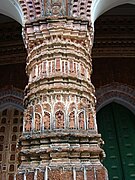
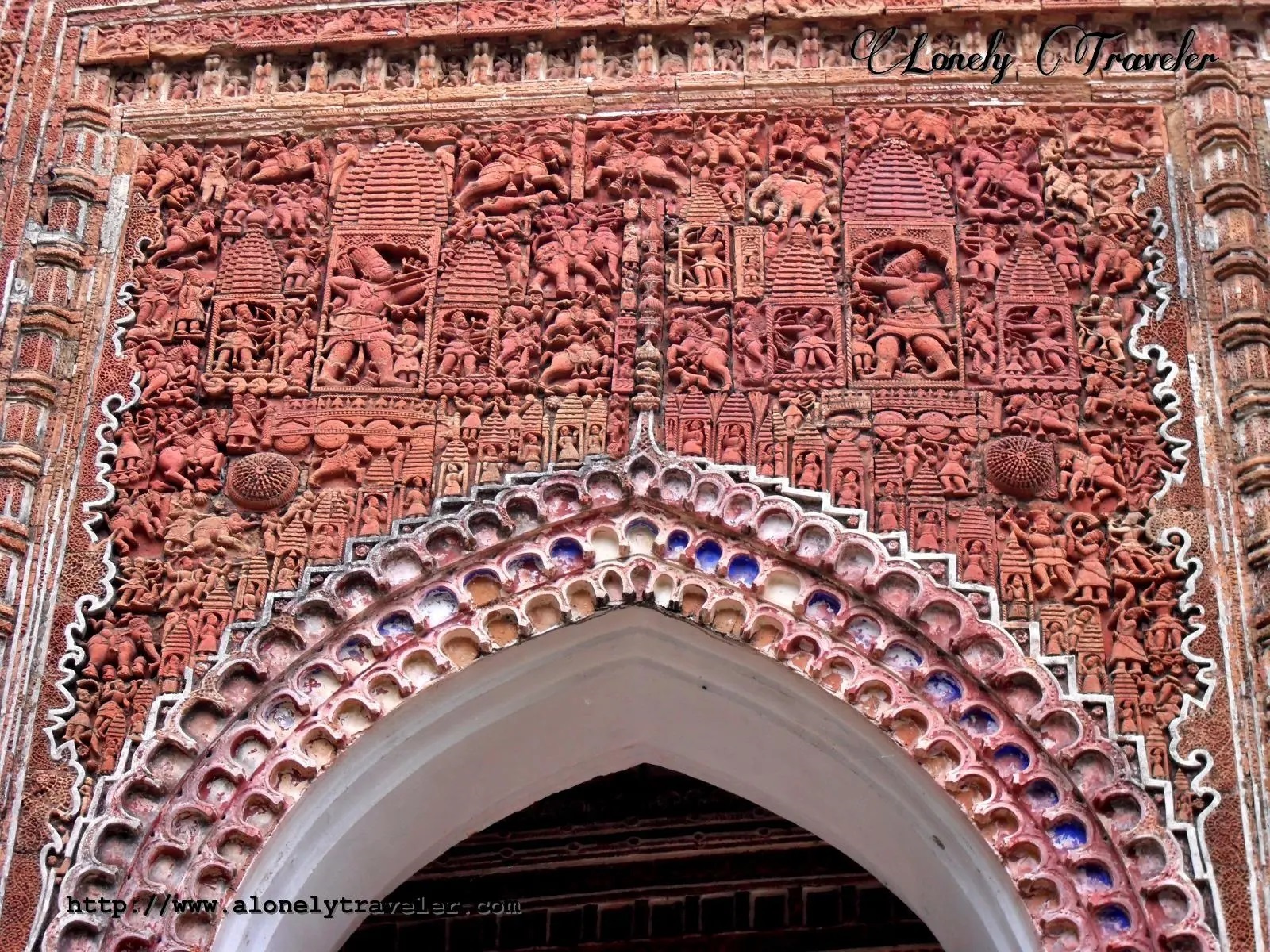
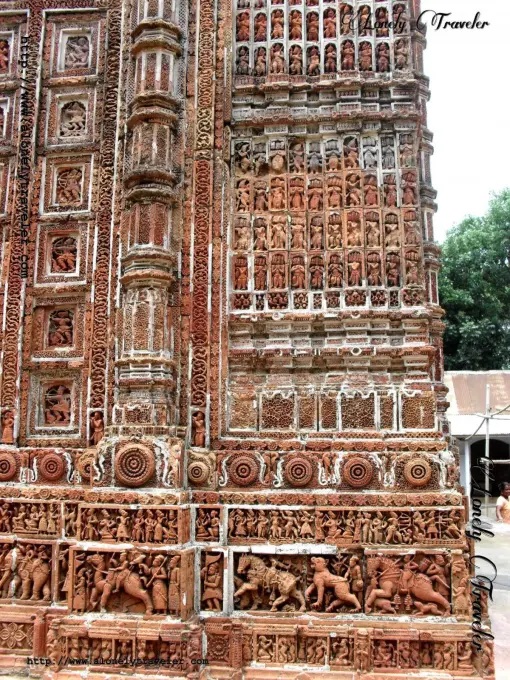
What truly sets Kantajew Temple apart is the intricate craftsmanship that adorns every inch of its walls. The temple is rectangular, with its surface almost entirely covered in elaborate terracotta panels, each of which tells a story. The panels are vibrant depictions of gods, goddesses, mythological tales, and everyday life in Bengal from centuries ago. From the delicate carvings of musicians and dancers to the grand depictions of battle scenes, every piece of terracotta art is a window into the past.
The temple's design blends Islamic influences with traditional Hindu architecture, a hallmark of Bengal's temple construction during the period. The use of multi-faceted towers and curved cornices speaks to the fusion of artistic styles that flourished during the rule of Bengal's Maharajas.
A Symbol of Cultural Harmony
The temple not only serves as a religious site but also as a beacon of cultural harmony. With its unique architectural synthesis, Kantajew reflects the multicultural spirit of Bengal during the 18th century. The intricate blend of Hindu and Mughal styles highlights the peaceful coexistence and mutual influence of different communities in the region.
The Temple Today
Today, Kantajew Temple continues to be a revered site, both spiritually and culturally. Though the spires that once dominated the skyline are gone, the temple remains a marvel for those who appreciate history and architecture. During festivals such as Rash Mela, the temple becomes a hub of devotion and celebration, as thousands gather to honor Lord Krishna in grand style.
Efforts to preserve and restore this magnificent structure are ongoing, as the government and local bodies recognize the importance of maintaining such a key part of Bangladesh’s heritage. Visitors are encouraged to explore the temple, take in its artistic splendor, and reflect on the stories that the terracotta tells—stories that have endured for centuries.
A Must-Visit Destination
For any traveler in Bangladesh, a visit to Kantajew Temple is a must. It offers a unique glimpse into Bengal’s architectural mastery, religious devotion, and artistic legacy. As you stand before its grand facade, tracing the tales etched in terracotta, you can’t help but feel connected to the rich history that flows through its bricks.
Kantajew is more than a temple—it’s a living piece of history, a reflection of a time when art, faith, and culture intertwined to create something truly remarkable. Whether you are a pilgrim, an art enthusiast, or simply a traveler in search of beauty, Kantajew Temple welcomes you with open arms.